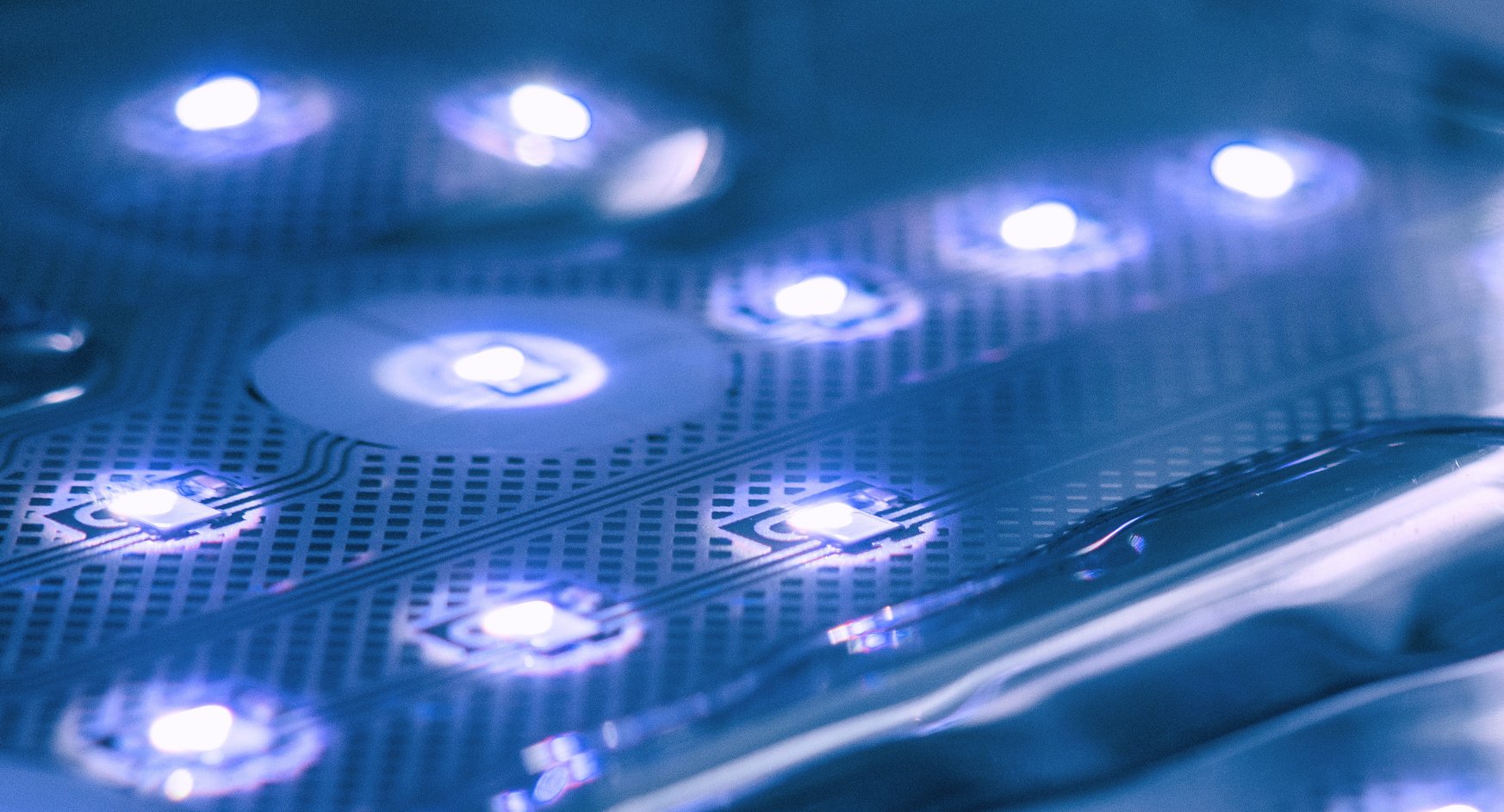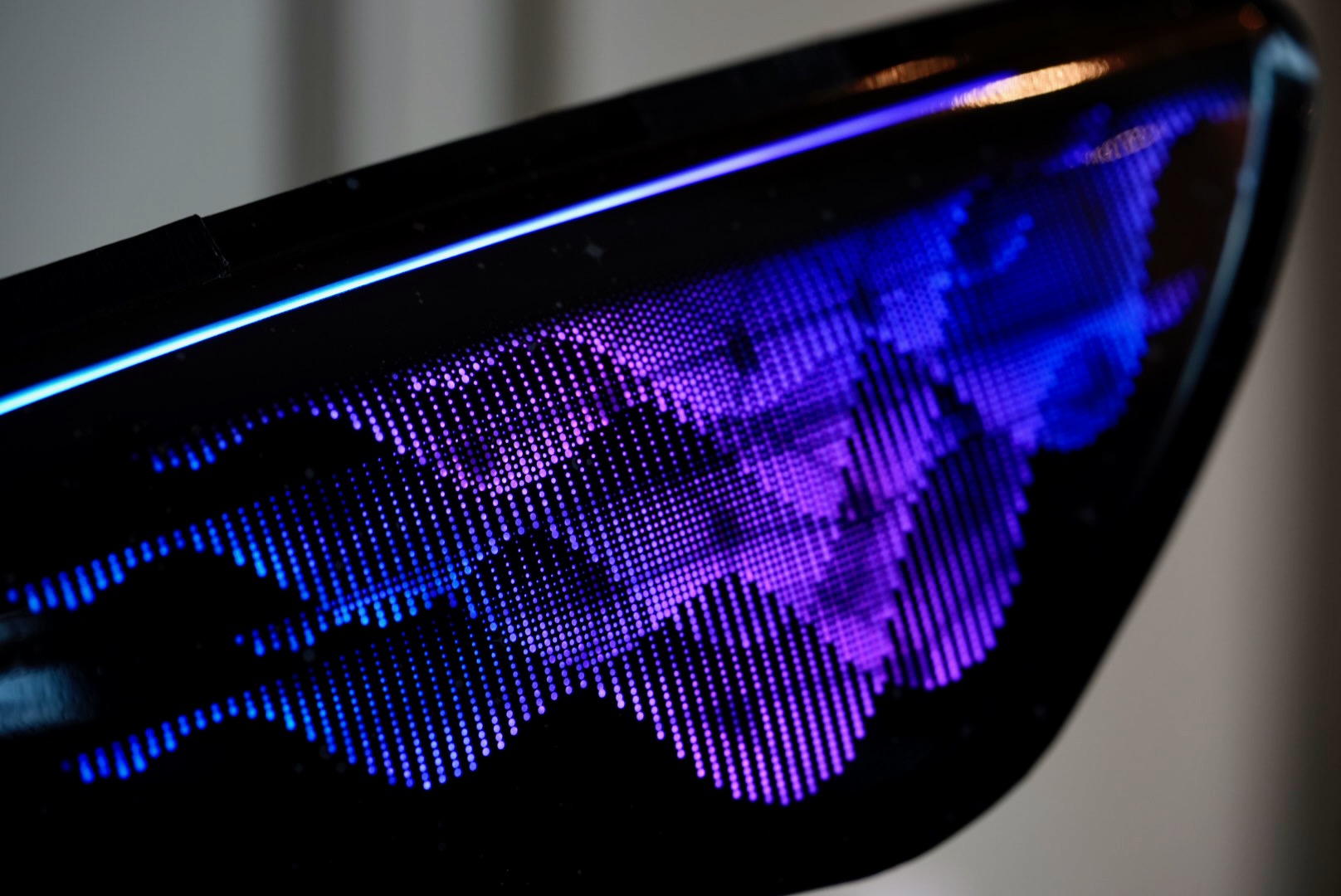
IMSE® (In-Mold Structural Electronics) combines printed electronics, components, decorative surfaces, and injection molding into a single integrated structure. By reducing part count and eliminating many traditional interfaces, IMSE enables thinner, more elegant products while supporting high reliability.
Achieving that reliability requires a strong focus on quality throughout the entire product lifecycle. Quality starts long before manufacturing begins. Material selection, product design, component choices, and design-for-manufacturing considerations all influence the success of the final product. Because electronics are embedded within the finished structure, potential issues are best addressed during development rather than discovered later in production.
Over the past 15 years, TactoTek has accumulated thousands of hours of testing and validation work across materials, components, manufacturing processes, and finished structures. This experience has helped build a verified material library and a deep understanding of how different materials and components behave in IMSE applications. As a result, licensees can benefit from validated materials, design guidelines, and application know-how that help reduce development risk and accelerate product development.
A typical IMSE manufacturing process consists of printing, SMT assembly, forming, and injection molding. Each phase builds on the quality achieved in the previous one.
Printing is particularly important because it creates the conductive, dielectric, and, in some cases, decorative features that determine the functionality of the product. Parameters such as print quality, drying conditions, conductivity, and dimensional stability all influence the final result.
As production progresses, component placement accuracy, adhesive application, and electrical performance must be verified before the product moves to the next stage. During forming, conductive traces and components must withstand stretching and three-dimensional shaping, while injection molding encapsulates the electronics inside the finished structure.
For this reason, quality assurance must be integrated throughout the manufacturing process rather than relying solely on final inspection.
Successful IMSE manufacturing relies on continuous testing and measurement. Like with any traditional electronics manufacturing, the extent of testing needs to be higher when building understanding of the product at hand; once the most relevant parameters become known, testing only the most informative parameters makes more sense.
Electrical measurements help confirm that circuits perform as intended throughout production. Dimensional measurements are equally important, as repeated heating can affect film stability and finished part geometry. Investing a little in material quality will have a significant impact on the outcome and the scale of testing needed to ensure high yield.
Visual inspection also plays a critical role. Print defects, contamination, incorrect component placement, and adhesive-related issues can often be detected early before they develop into larger reliability concerns.
Tools such as automated optical inspection (AOI), X-ray imaging, and electrical testing provide valuable information and help maintain process consistency while increasing confidence in manufacturing quality.
One unique feature of IMSE is that many internal features become inaccessible after molding. Once electronics are encapsulated inside the plastic structure, direct probing and inspection options are limited.
This makes testability an important design consideration. Electrical access points and validation strategies should be considered early in development so that functionality can be verified from the product's external interfaces after molding.
A well-designed end-of-line test helps ensure that the finished product meets its performance requirements before leaving production.
Environmental testing helps validate how IMSE materials, interfaces, and electronics perform under demanding conditions over time. TactoTek has conducted extensive testing of IMSE materials and structures using methods such as thermal shock, high-temperature aging, and damp heat exposure.
These tests accelerate the effects of years of use, helping engineers identify potential weaknesses and better understand long-term material and product behavior. The resulting knowledge forms the foundation of TactoTek's validated material library and design recommendations available to licensees.
When unexpected results occur, identifying the root cause is essential.
One of the most valuable troubleshooting tools is optical microscopy. Defects that appear insignificant with the naked eye often become much clearer under magnification.
More advanced analytical methods can also be used to investigate hidden structures and material interfaces in greater detail.
The goal is not only to understand what happened, but also why it happened and how similar issues can be prevented in the future.
Reliable IMSE products are the result of verified materials, controlled manufacturing processes, thoughtful design, and systematic validation.
By measuring throughout production, designing for testability, and applying environmental testing and failure analysis, manufacturers can identify risks early and build confidence in long-term product performance.
In IMSE, quality is not something that can be added at the end. It begins in the design phase, continues through every manufacturing step, and is reinforced through testing, analysis, and continuous learning. That combination of design expertise, validated materials, and years of accumulated validation experience helps turn innovative concepts into reliable products. This is an important part of the know-how TactoTek shares with its licensees so they don’t need to start all this from scratch.
This article provides an overview of the quality principles behind reliable IMSE products. In our IMSE® Quality Assurance and Reliability webinar, we take a deeper look at testing methodologies, environmental validation, failure analysis techniques, and practical lessons learned from more than 15 years of IMSE development.