.jpg)
As lighting becomes a defining element of the product experience, designers and engineers are looking for new, creative ways to integrate light into surfaces and structures. At the same time, conventional lighting architectures often come with limitations related to packaging space, assembly complexity, and design freedom.
We spoke with Miikka Kärnä, VP, IMSE Integration & Platform Development at TactoTek, about how IMSE Lightline solutions are changing the way light can be integrated into products — from automotive interiors to consumer electronics and beyond.
.png)
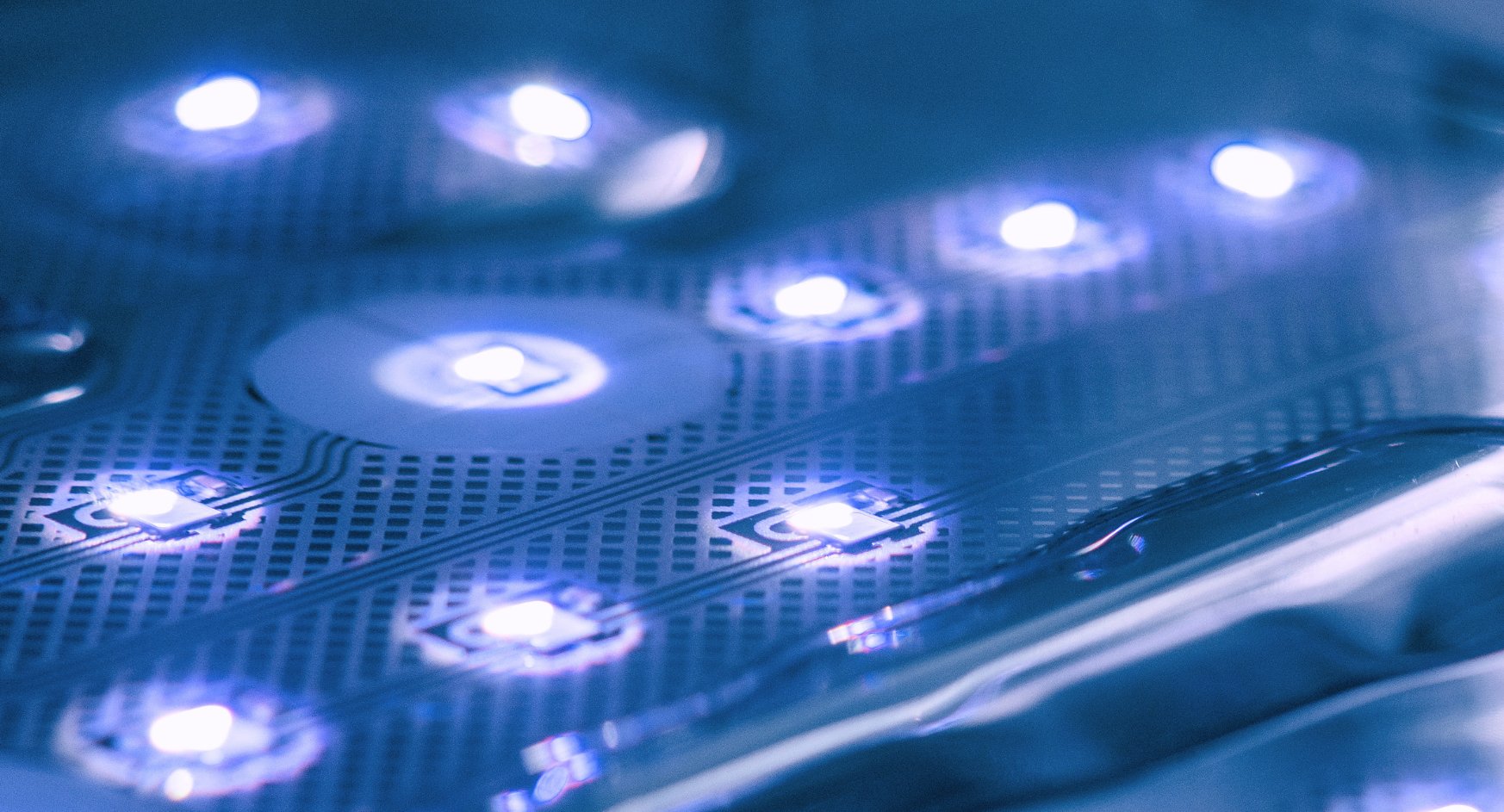
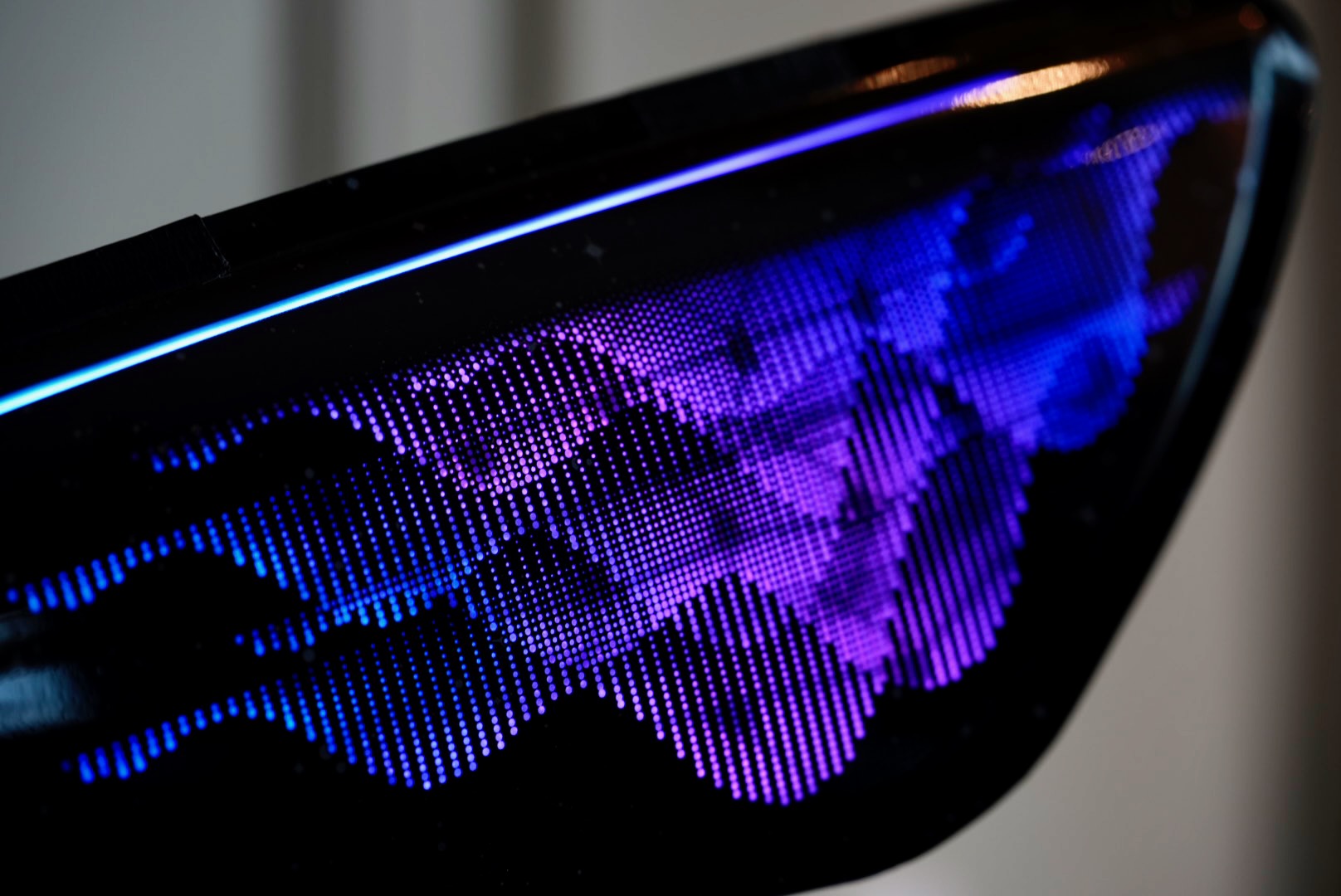
With IMSE LightLine technology, you can integrate RGB or single-color light lines into very thin, 3D-shaped smart surfaces. What makes it interesting is that it enables fully dynamic, uniform lighting in an extremely small package space while still maintaining high efficiency and cost competitiveness. The secret sauce here is a simple yet sophisticated light-guiding design that becomes part of the structure itself.
With conventional lighting technologies, achieving the same functionality requires multiple separate components and light guides, which add to assembly work, increase packaging space, and can increase cost.
When the lighting functionality becomes part of the single-piece molded structure, it creates a much cleaner architecture and gives designers more room to innovate.
The key difference is integration. With IMSE, lighting, structure, and form can be combined into one seamless part.
Traditional PCB-based lighting solutions are usually limited by thickness and mechanical structure. If you want dynamic lighting across a curved or three-dimensional surface, the implementation quickly becomes complex. You may need several rigid PCBs or laminated flexible PCBs, additional supporting structures, and more packaging space.
With IMSE, the electronics are integrated within a formed and molded surface part. That means the lighting can follow 3D shapes in a much more natural and efficient way, without the need for several PCBs.
The result is a thinner structure, fewer parts, and a streamlined assembly process. That also creates another benefit: by eliminating separate layers, IMSE-based parts reduce interior squeaks and rattles caused by loose trim clips, plastic friction, and temperature-induced expansion. This adds comfort and improves the user experience, which is particularly important in premium vehicle interiors.
Packaging space is often the key challenge customers bring to us. While conventional dynamic lightline solutions may require several centimeters of depth, IMSE LightLine fits into as little as 7 millimeters.
This enables applications that were previously very difficult or impossible to implement in a cost-effective way.
Performance is largely driven by the optical design.
In IMSE LightLines, optical geometries are integrated into the molded structure, which maximizes lighting efficiency. One important factor is the absence of air gaps. A conventional system may have several air gaps between assembly layers, which reduces efficiency. IMSE’s single-piece design removes those gaps and positions the light source very close to the surface, improving both brightness and efficiency significantly.
Because an IMSE design is so efficient, the LEDs can also operate at much lower current than traditional lighting solutions. Typical LED currents in IMSE applications range from 5 to 15 mA, which is notably less than the current required for comparable conventional solutions.
Another important benefit is thermal performance. Since the system operates efficiently at low power, there is usually no need for separate heat-management components or structures, which further simplifies assembly.
The biggest shift is design freedom.
With IMSE, designers can create shaped, illuminated surfaces that stay true to the original design intent while remaining manufacturable and cost-effective.
Designers do not need to treat lighting as a separate technical element hidden behind the surface. Instead, lighting can become an integrated part of the surface and the product experience from the start of the design process.
RGB and dynamic lighting capabilities expand this even further. Lighting can serve functional purposes, such as user feedback or communication, but it can also create completely new aesthetic experiences and ambient lighting.
Because the RGB LEDs can be individually addressable, the creative possibilities are extremely broad.
We see a number of opportunities across industries — robotics, automotive interiors, motorcycles, appliances, consumer electronics, and many other applications where space is limited but lighting is becoming more important.
In many cases, the goal is simple: bring dynamic, three-dimensional lightlines into places where they were previously not practical due to packaging, complexity, or cost.
This is exactly where IMSE can help you overcome obstacles and provide you with the tools you need to achieve your desired design.
For designers and decision-makers evaluating new lighting solutions, the message is clear: ultra-thin, shaped lightlines with daylight visibility are now possible in ways conventional technologies cannot easily achieve.
To learn more about IMSE illumination solutions, we welcome you to register for our webinar on IMSE Illumination Solutions, where you get a deep dive into IMSE® LightLines and IMSE® SurfaceLight.