
As vehicle interiors become more digital and interactive, surfaces themselves are starting to play a new role. Lighting, sensing, and connectivity are increasingly integrated directly into functional surfaces, opening new possibilities for design and user interaction.
We spoke with Marko Suo-Anttila, SVP Customer Solutions at TactoTek, about the shift toward smart surfaces, the engineering insights companies discover when working with IMSE®, and how the technology is already being applied in automotive design.
.jpg)
I think the biggest driver is that vehicle interiors are no longer seen as just functional spaces. They are becoming interactive environments that can create feelings, guide users, and adapt to different situations.
You can already see this direction in how lighting and surface technologies are evolving.
Interior light themes, for example, can change depending on the surroundings or driving situation, helping create the right atmosphere while also supporting the user in a very intuitive way.
The same thinking extends even further when we look at autonomous driving development. In those concepts, light can have a fundamental role in safety, guidance, and decision-making, not only for the driver, but also for passengers and even pedestrians outside the vehicle.
When you combine this with proximity sensing and intelligent sensor technologies, entirely new use cases start to emerge.
At the same time, the industry is under pressure to reduce complexity, weight, and the number of separate parts.
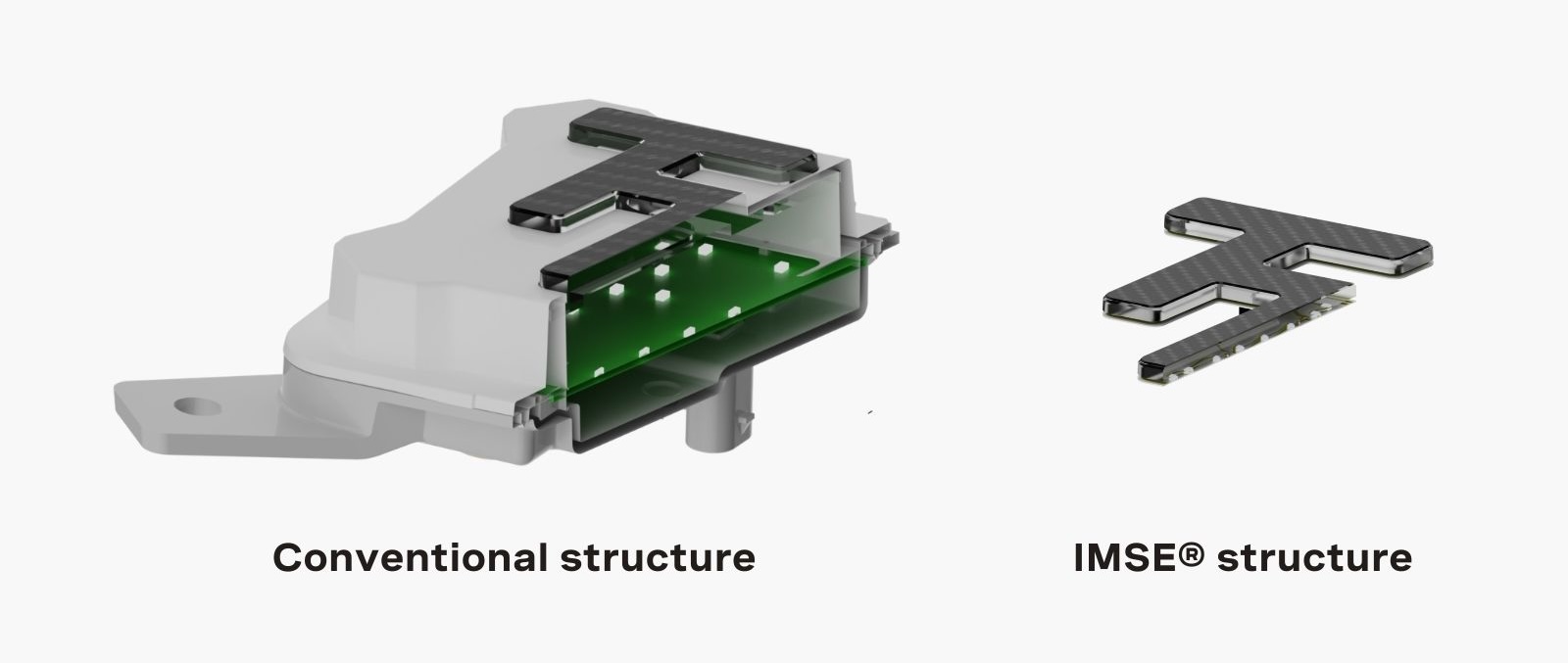
Traditionally, interiors have been built from many layers, including electronics, wiring, lighting, switches, structures, and decorative surfaces. With IMSE, many of these functions can be integrated into one smart surface.
That is why this shift is so important. It is not only an engineering change. It is a design and user experience change as well. It opens the door to interiors and exteriors that feel more seamless, intelligent, and connected to the people using them.
The first “aha moment” often comes when teams look at their current architecture and realize how many parts exist simply because electronics, lighting, structure, and surfaces have traditionally been separated.
With IMSE, many of those functions can be integrated into a single, shaped, molded surface part.
Instead of assembling multiple layers, you create one thin component with built-in intelligence and functionality. That alone already changes the conversation.
But there is often a second “wow moment” as well, and that comes from power and thermal management.
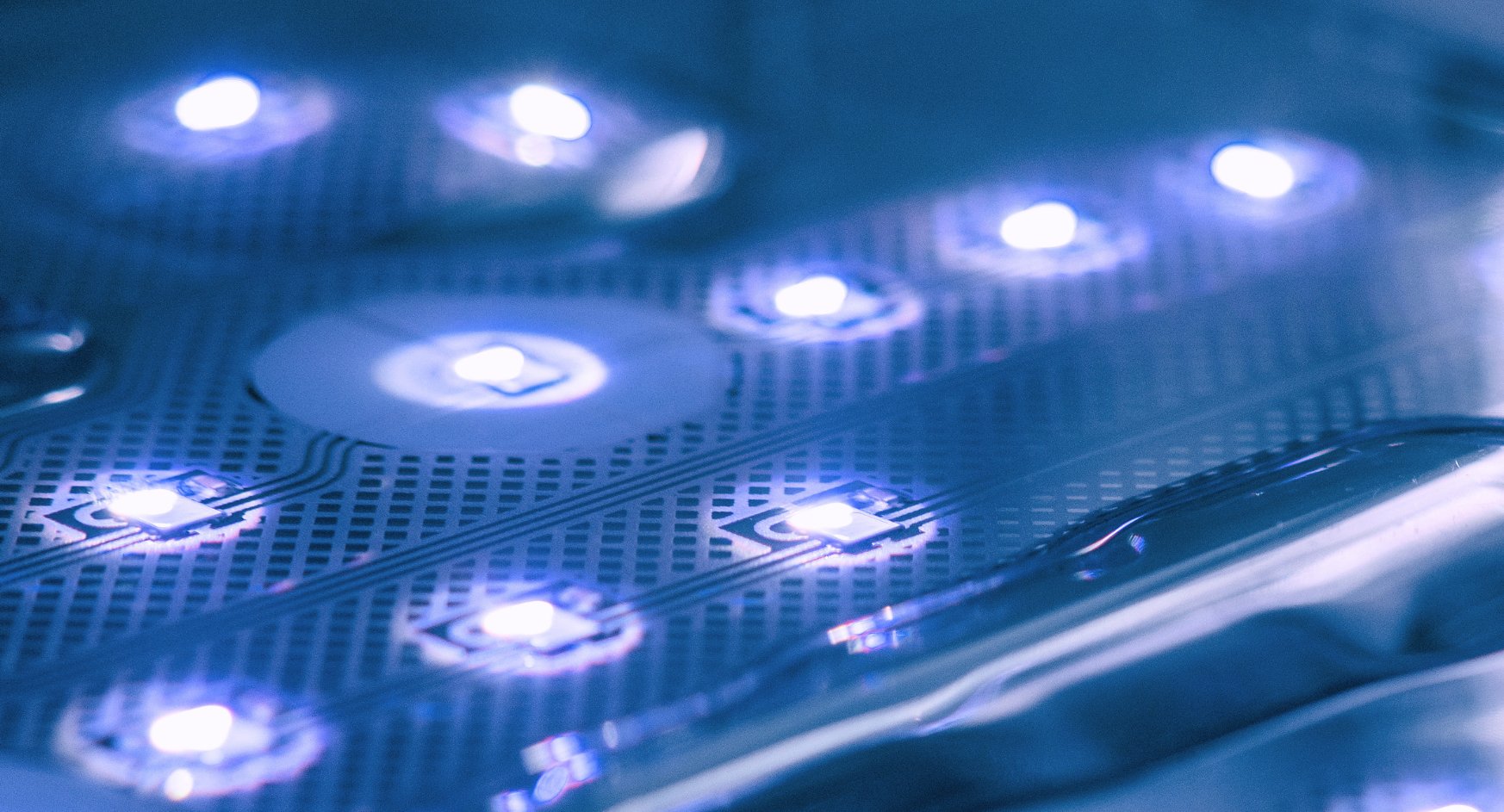
IMSE is a very low-power system, and it can deliver light from the source to the user with very high efficiency and minimal loss.
For many teams, that is a real surprise. When they see the combination of lighting performance, energy efficiency, and simplified architecture, it becomes clear that this is not just a new design solution. Instead, it is a different way of thinking about the whole system.
And then, all of this connects to weight reduction, lower material use, and less assembly complexity. These benefits also have a direct impact on sustainability and waste reduction.
So in the end, the real learning experience is how holistic it becomes. You may start by looking at one component, but very quickly, you see effects on performance, manufacturability, efficiency, weight, and sustainability all at once.
There are many definitions of smart surfaces. At TactoTek, we see it in a broader way.
For us, a smart surface is not just a single feature. It is a way of looking at the whole product.
A smart surface can make the product feel more aware, more responsive, and more connected to the user. It can also create a completely new type of experience, often customizable, sometimes surprising, and something that can even evolve or be upgraded over time.
So for us, smart surfaces are really about turning the product surface into an active, meaningful interface between the user and the product. That is what makes the experience feel seamless, unique, and memorable.
Absolutely. What is important to understand is that IMSE is not just one application. It is a toolbox that can be used in many different ways across the vehicle.
A very visible example is illuminated emblems. These are not only about styling – they can combine lighting with other functions, such as proximity sensing or signal transmission, while still keeping the design clean and refined. Here, it becomes really interesting: one element can support brand identity, user interaction, and technical performance simultaneously.
Another good example is lightlines, which can run across dashboards, doors, or exterior areas. Lightlines create a premium feeling, but they can also guide the user, communicate status, and improve awareness. In the future, they can even support new kinds of exterior messaging as autonomous driving develops.
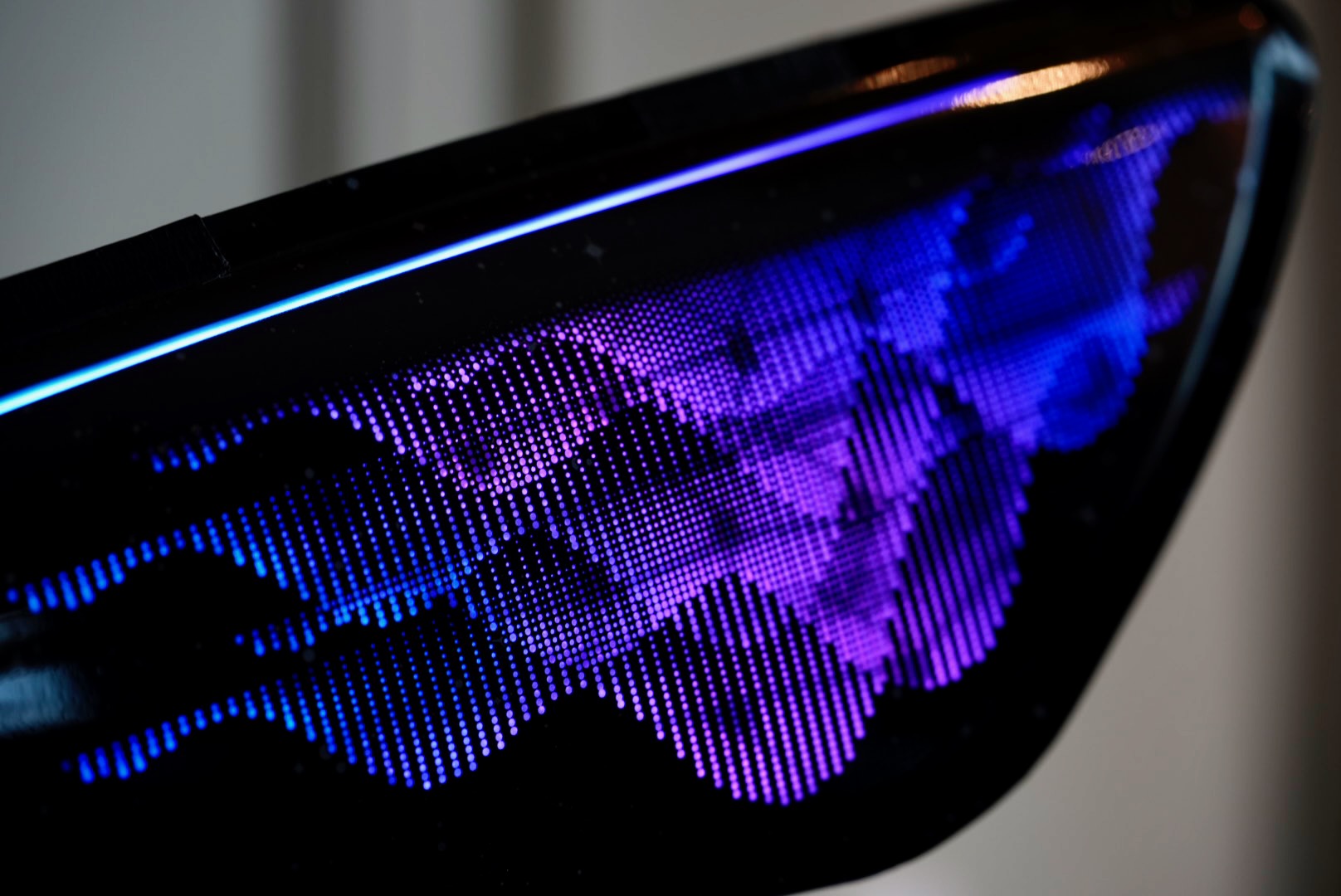
With IMSE, you can apply dynamic RGB lighting also across a whole surface, from edge to edge. For example, this can be used in door panels or dashboard trim to create a more immersive and responsive interior experience. You can create fully programmable surface illumination across two axes, allowing light to move, change, and respond in a more fluid way. All this can be combined with other functionalities, such as proximity sensing. The customization possibilities are endless.
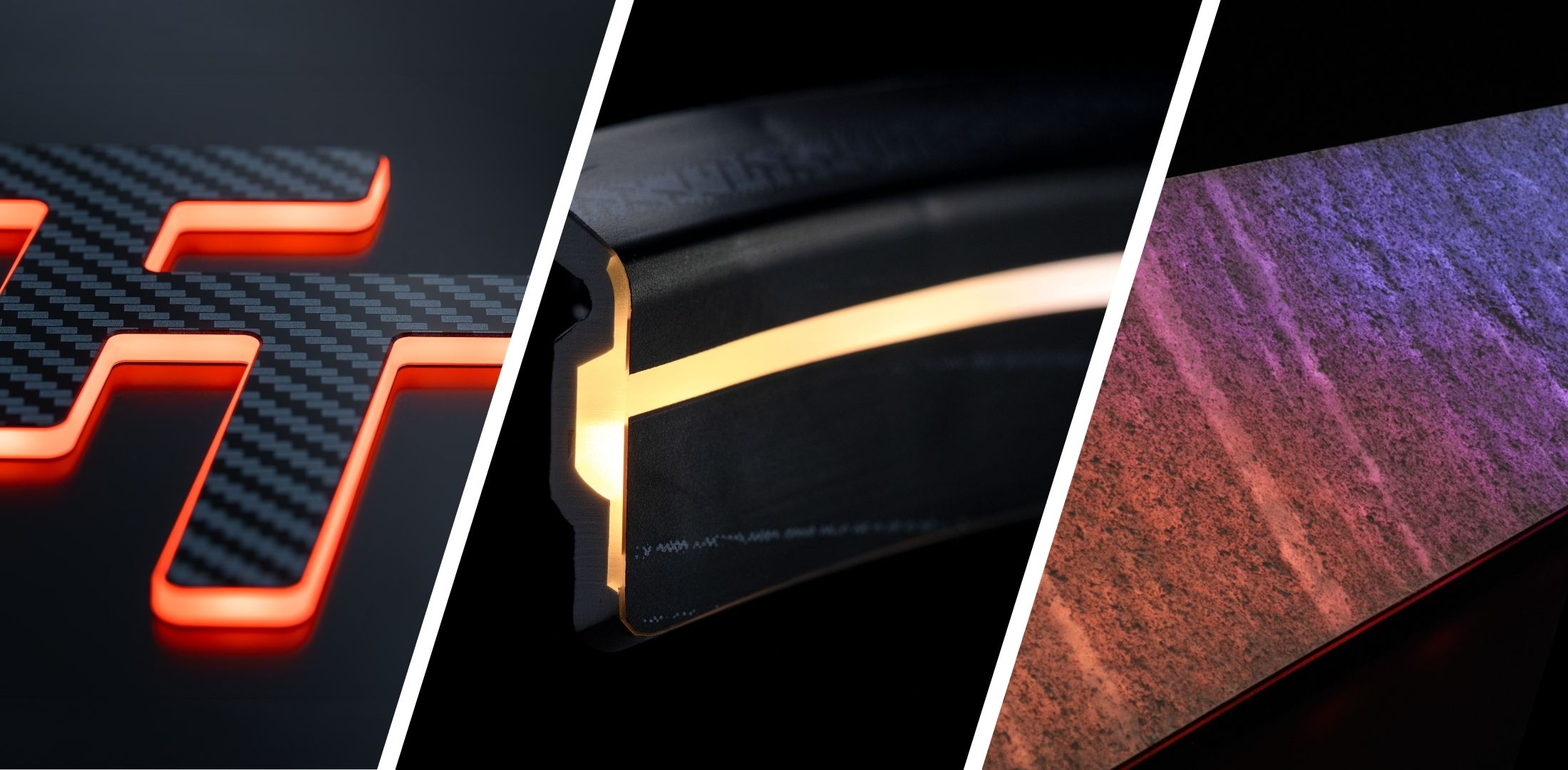
We also see strong potential in places that are not always discussed first, such as door sills with branding elements. When you bring illumination and sensing into those areas, you can create a surprising and memorable welcome experience for the user.
A less visible but important area is connectivity. With IMSE, wireless elements such as Wi-Fi or Bluetooth antennas can be integrated into very small spaces close to the outer surface of a part, optimizing signal performance. That opens new possibilities for both packaging and connectivity design.
And if we look a bit further ahead, there are also exciting opportunities in areas such as wheel-related features and other exterior communication elements, where light could play a role in how vehicles interact with other traffic and pedestrians.
So the real value is how IMSE enables branding, lighting, sensing, and connectivity to come together, creating a cleaner architecture and a unique user experience.
That is one of the biggest misconceptions.
IMSE is built on existing industrial technologies, which means companies can use established machines, testers, and equipment suppliers flexibly. In other words, this is not about replacing everything. It is about building on existing capabilities and adapting them intelligently.
Another important point is that the processes are fully automatable and can support Industry 4.0 and other modern manufacturing initiatives. If a company already has strong capabilities in certain areas, those can be integrated directly into the IMSE production system.
Of course, moving from traditional plastic parts to parts that include electronics involves a learning curve. That is why TactoTek supports customers in the transition. We run training programs and offer digital tools through the TactoTek Online platform. We have already completed successful technology transfers globally.
Another strength is flexibility in the supply chain.
If needed, IMSE production can be split between different roles and locations. For example, film production can take place in one place, while final molding and finishing are done elsewhere. That makes the model adaptable to real industrial ecosystems.
So the shift is not about rebuilding manufacturing from zero, but about using established technologies in a more integrated way.


.jpg)