Main image: Sundberg-Ferar
As products become more digital and interactive, designers are increasingly looking for ways to combine visual appeal and functional performance in the same surface. Traditionally, those two goals have often been in conflict, with displays, buttons, lighting, and structural elements all competing for limited space.
We spoke with David J. Byron, CEO of Sundberg-Ferar, about how smart surfaces can help resolve that tension, how conventional technologies limit design freedom, and why IMSE® technology from TactoTek is opening new possibilities across industries. We also heard engineering perspectives from Derrick Defever, Business Development Manager for North America at TactoTek.

David Byron:
When we first saw the prototypes, it was one of those moments where everything just clicked.
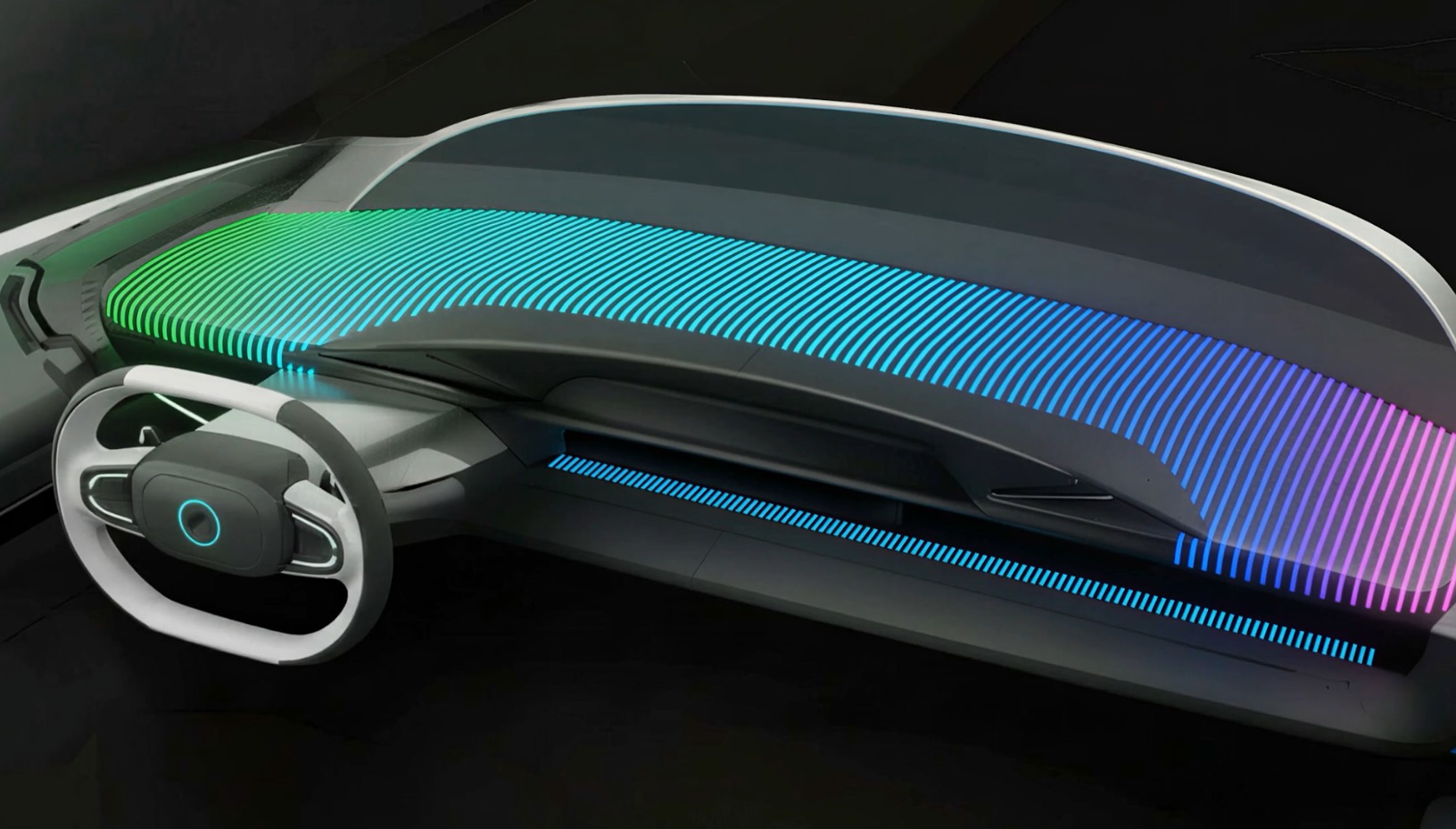
We had been sketching ideas like that for ten years, and suddenly they were right there in front of us. Edge-to-edge lighting, no bezels, no hotspots — surfaces that were both functional and visually refined. We didn’t even fully understand how it worked yet, but we immediately saw what it made possible.
That really connects to one of the biggest challenges in traditional product design: beauty and function are often in conflict.
Products are typically driven by technical requirements first. Engineering defines what is possible, and then design is asked to make it look good. That creates a constant tension between what we want to achieve visually and what the technology allows.
At the same time, products are not just about utility. People want to live with things that feel intuitive, refined, and desirable. If you’re competing in the market, you need that emotional connection. So you’re always trying to balance those two forces.
One of the clearest ways this shows up is what I call the “fight for real estate.” Every function you add — displays, buttons, lighting — comes with packaging requirements like bezels, thickness, or structure. That reduces the amount of usable surface area.
By the time everything is integrated, a large portion of the surface is dictated by technical constraints, and the designer is left trying to make what remains look good. You end up adding trim or materials just to hide those constraints instead of designing something clean from the beginning.
David Byron:
Traditionally, we’ve been thinking about real estate in two dimensions — just the surface area we have available. But the challenge is just as much about depth.
For most of our careers, we’ve designed products as layered structures — like a sandwich. You have the outer surface, and behind it, you package everything: electronics, switches, actuators, lighting. That creates thickness, complexity, and often unused space.
A lot of what’s inside products is there simply because of how we’ve always approached packaging.
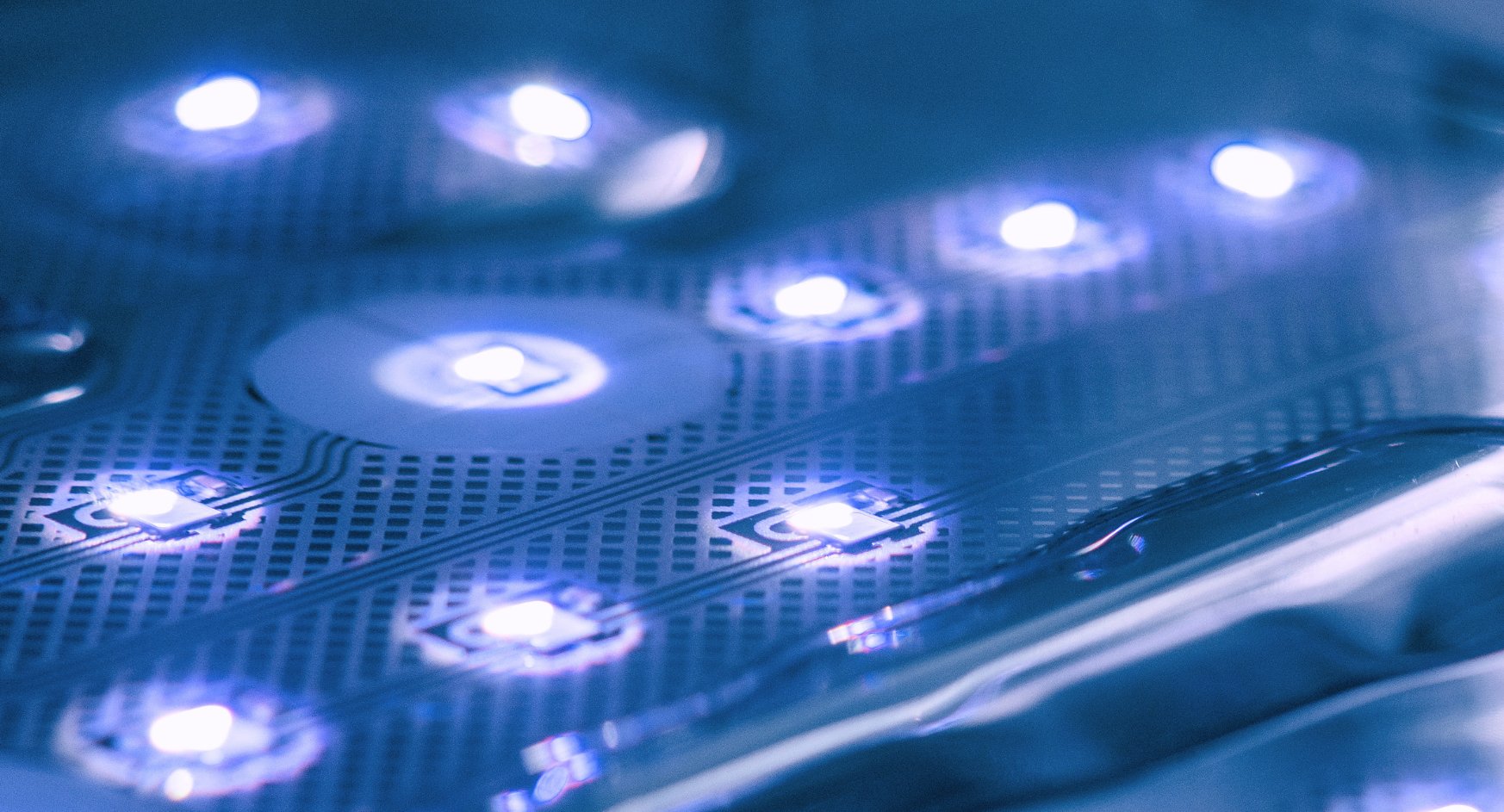
What IMSE does is fundamentally change that. Instead of stacking components behind the surface, you integrate functionality into the surface itself. Electronics, lighting, and sensing can be embedded into a thin molded structure.
That means something that might have required a deep package before can now be dramatically thinner. It also removes a lot of the dead space that used to exist inside products.
From a design perspective, that’s a big shift. It forces you to rethink the product from the surface inward, rather than starting with internal architecture and working outward.
Derrick Defever:
From the engineering side, that also simplifies a lot of things.
In traditional designs, you often end up with features like glue tracks, weld tracks, and other structural elements that are not meant to be seen, but still affect the design. Those are things the design team then has to hide.
There’s also the issue of iteration. Even small changes can require redesigning multiple parts and rerunning validation work.
With IMSE, iteration loops can be much shorter. In some cases, you’re updating the surface layer rather than redesigning a whole group of components. That makes the development more efficient and improves collaboration between design and engineering.

David Byron:
The biggest shift is that the aesthetic surface can also be the interactive surface.
Traditionally, those two things have been separate. You had a decorative layer and then the functional interface somewhere behind it. With IMSE, they can be one and the same.
That allows you to create products that feel much more seamless. The surface itself can carry light, sensing, and interaction while also defining the visual identity.
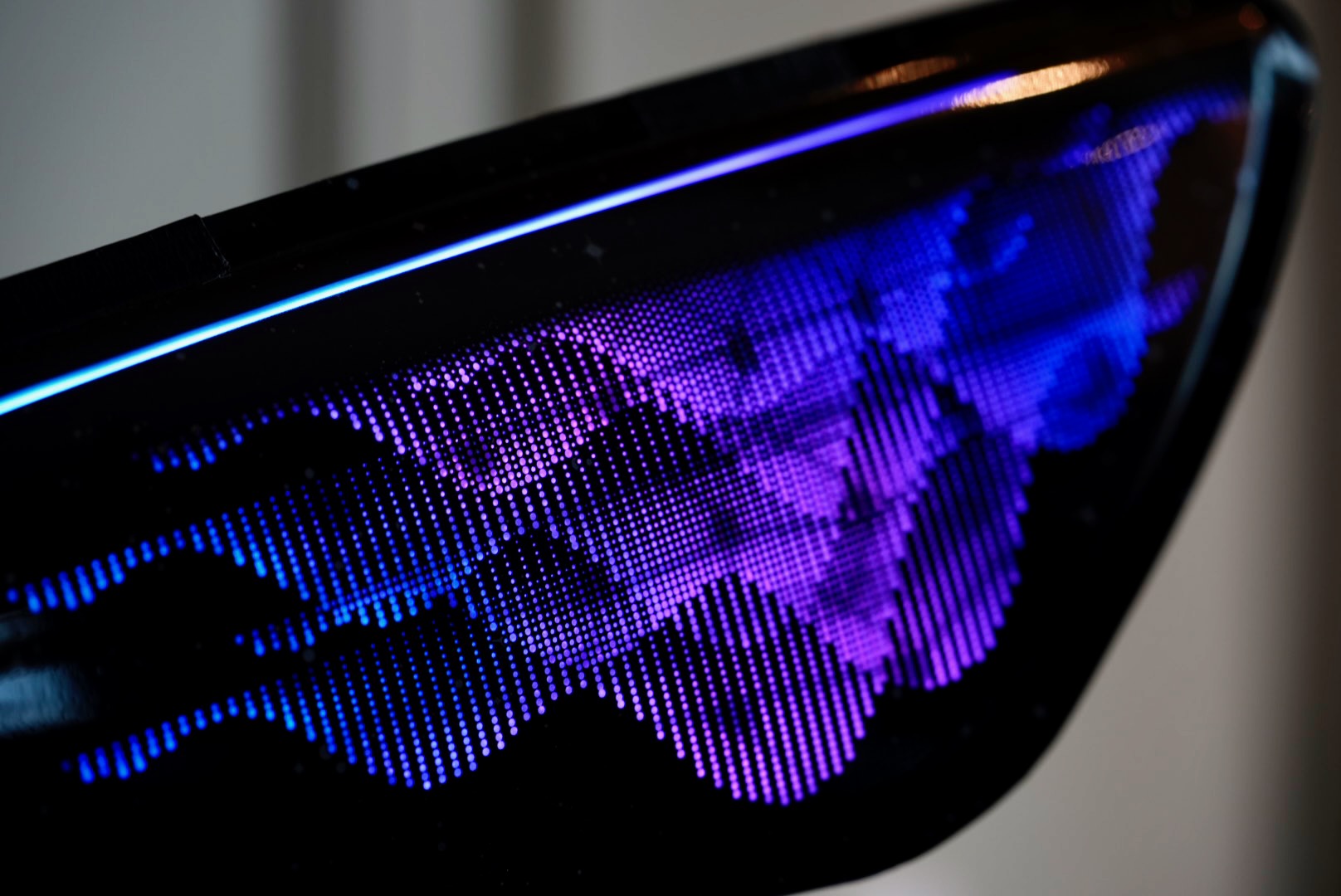
Lighting plays a big role in this. It’s no longer just an indicator. It can guide attention, communicate information, and create a sense that the product is alive. It can be ambient, but also directional and intentional.
As products evolve, especially in automotive, lighting can become more informative. It can help communicate what the system is doing or even prepare the user for what’s about to happen, without requiring direct focus.
Derrick Defever:
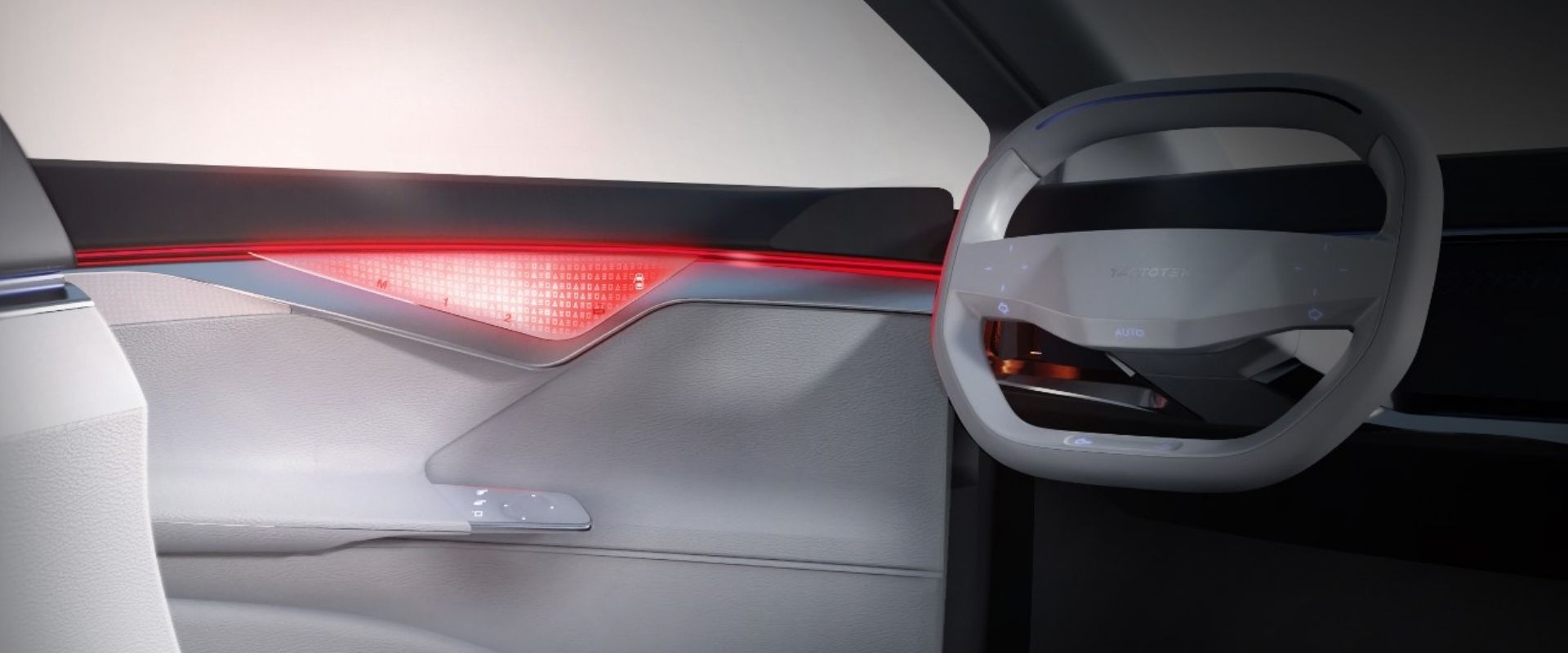
We’ve seen cases where ideas like animated light across a surface were not feasible before because of packaging constraints.
For example, trying to animate light across a vehicle door panel with traditional technology could require a very large and complex structure that simply wouldn’t fit.
With IMSE, those same ideas become practical because the light is integrated directly into the surface. That removes a lot of the barriers that used to prevent those concepts from being realized.
David Byron:
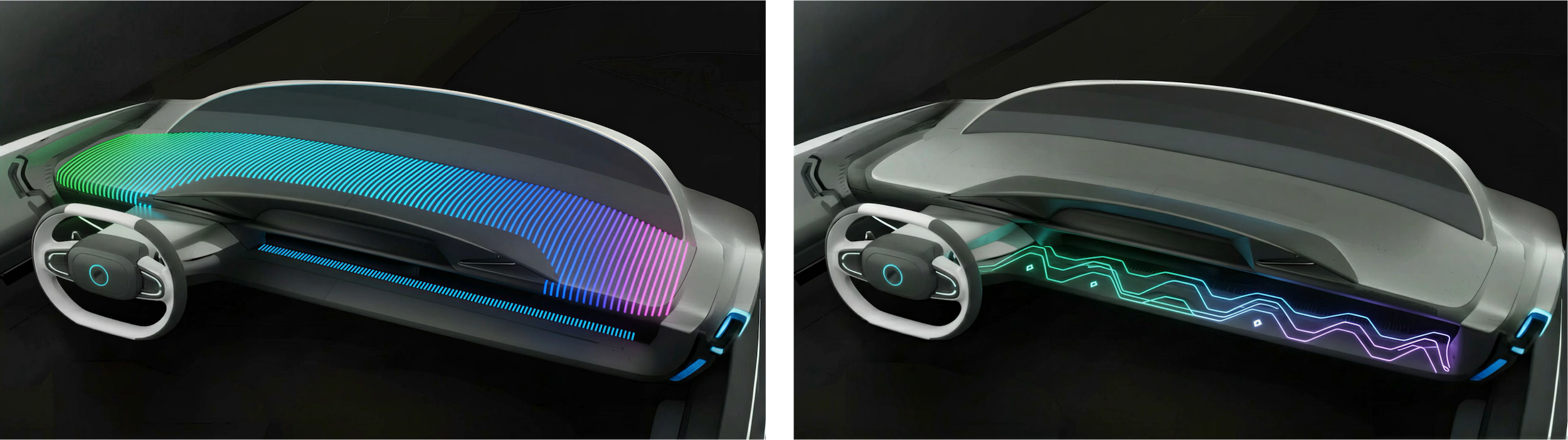
Automotive is a strong example because there are so many surfaces that can become interactive — dashboards, door panels, trim elements. These can now carry lighting and interaction while staying visually clean.
Another interesting aspect is that once the system is designed, you can change the aesthetic by updating the surface layer, without redesigning the entire part. That gives flexibility over the lifecycle of the product.
But this isn’t limited to automotive. We see opportunities across industries: in smart home devices, commercial interfaces, robotics, and prosthetics. In many of these areas, packaging space and weight have traditionally limited what is possible.
With IMSE, it becomes possible to bring interaction directly onto the product surface in a thinner and more integrated way.
Derrick Defever:
The key for teams is to consider this early.
A lot of design ideas have been difficult to achieve because of packaging constraints. When teams understand IMSE from the beginning, they can approach the design differently.
Instead of separating lighting, controls, and surfaces into different systems, they can start thinking about how to combine them into one smart structure. That leads to simpler architectures and more efficient development.
David Byron:
Designers need to move away from thinking in layers and start thinking in surfaces
For years, we’ve been used to separating structure, electronics, and interface into different parts of the product. With smart surfaces, those elements come together.
That means the surface itself becomes the interface.
It’s a different way of thinking, especially for those of us who have been doing this for a long time. But once you see it, you realize how many limitations we’ve been working around — and how much freedom this new approach can bring.
Would you like to continue further with this topic?
Access the Design Hour webinar to hear David J. Byron and Derrick Defever discuss how IMSE changes the way products are built, liberating designers from conventional limitations.


.jpg)